Child states
← All resourcesStandalone guide · nothing is saved
OWL Studio · Schema Therapy guide
Meet the parts. Keep sight of the whole.
Schema Therapy uses modes to describe moment-to-moment states: feelings, body responses, thoughts and ways of coping that become active in particular situations.
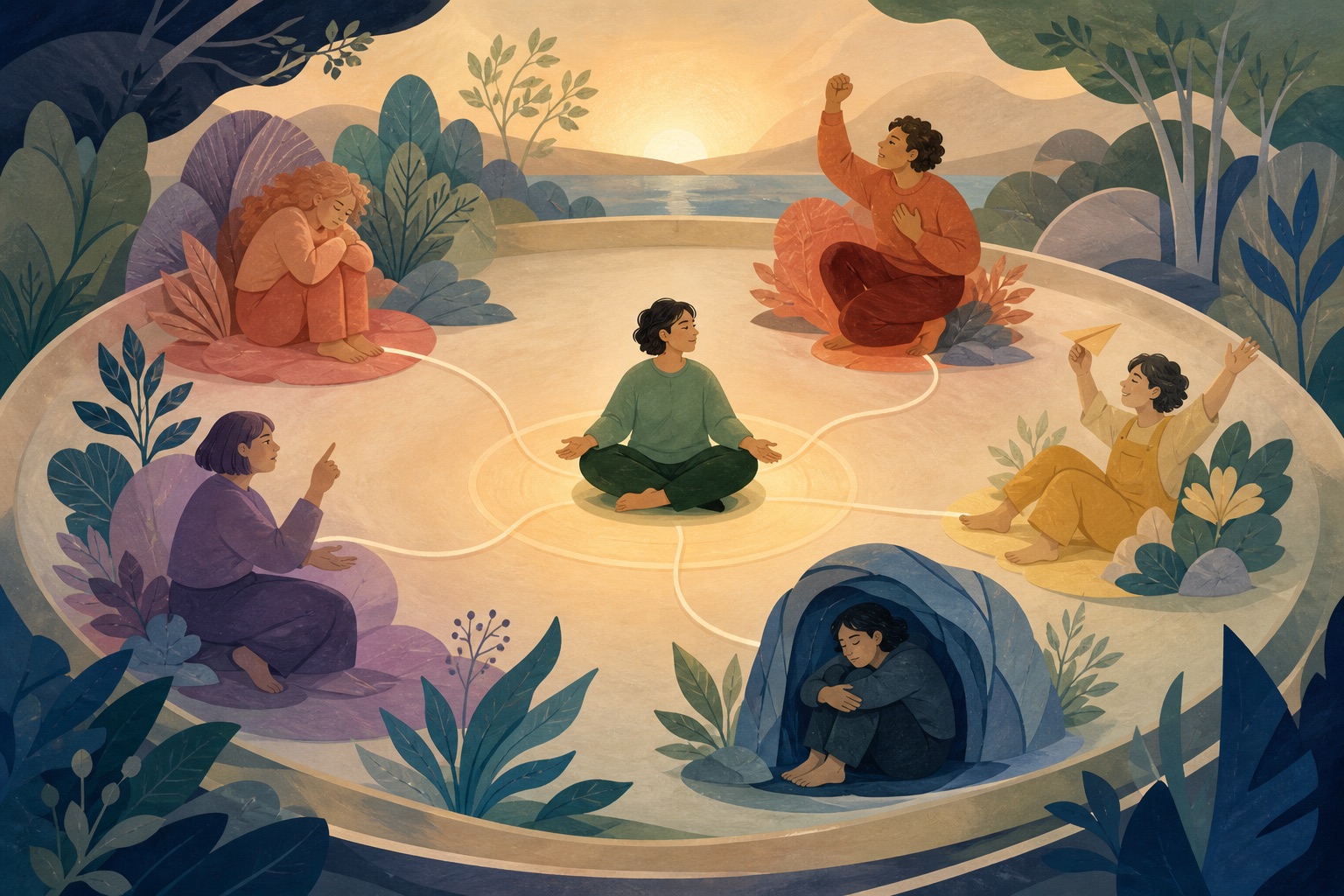
The wider whole
The system makes more sense when we see what each part does.
Difficult modes often began as attempts to cope, maintain connection or prevent pain. Understanding the purpose does not mean every behaviour is helpful now—it creates a clearer place to choose from.
Coping responses
Protect
Surrender, withdraw or push hard when pain feels close.Internalised voices
Pressure
Punish or demand in an attempt to prevent failure or rejection.Healthy Adult
Coordinate
Listens, protects, sets limits and chooses what works now.The Healthy Adult does not erase the other parts.
It listens for the feeling, recognises the protective strategy, limits harm and helps the whole person respond to present reality.
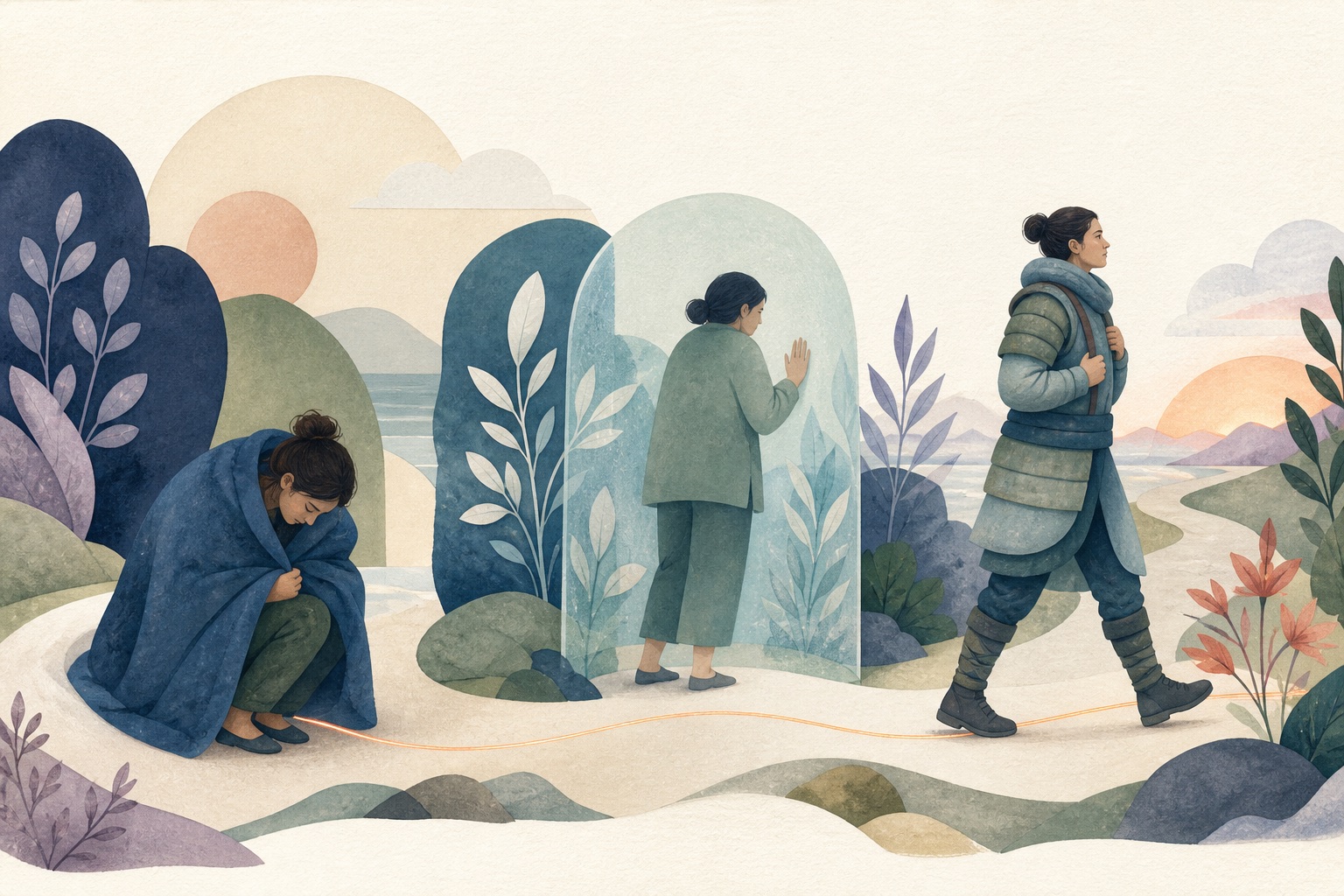
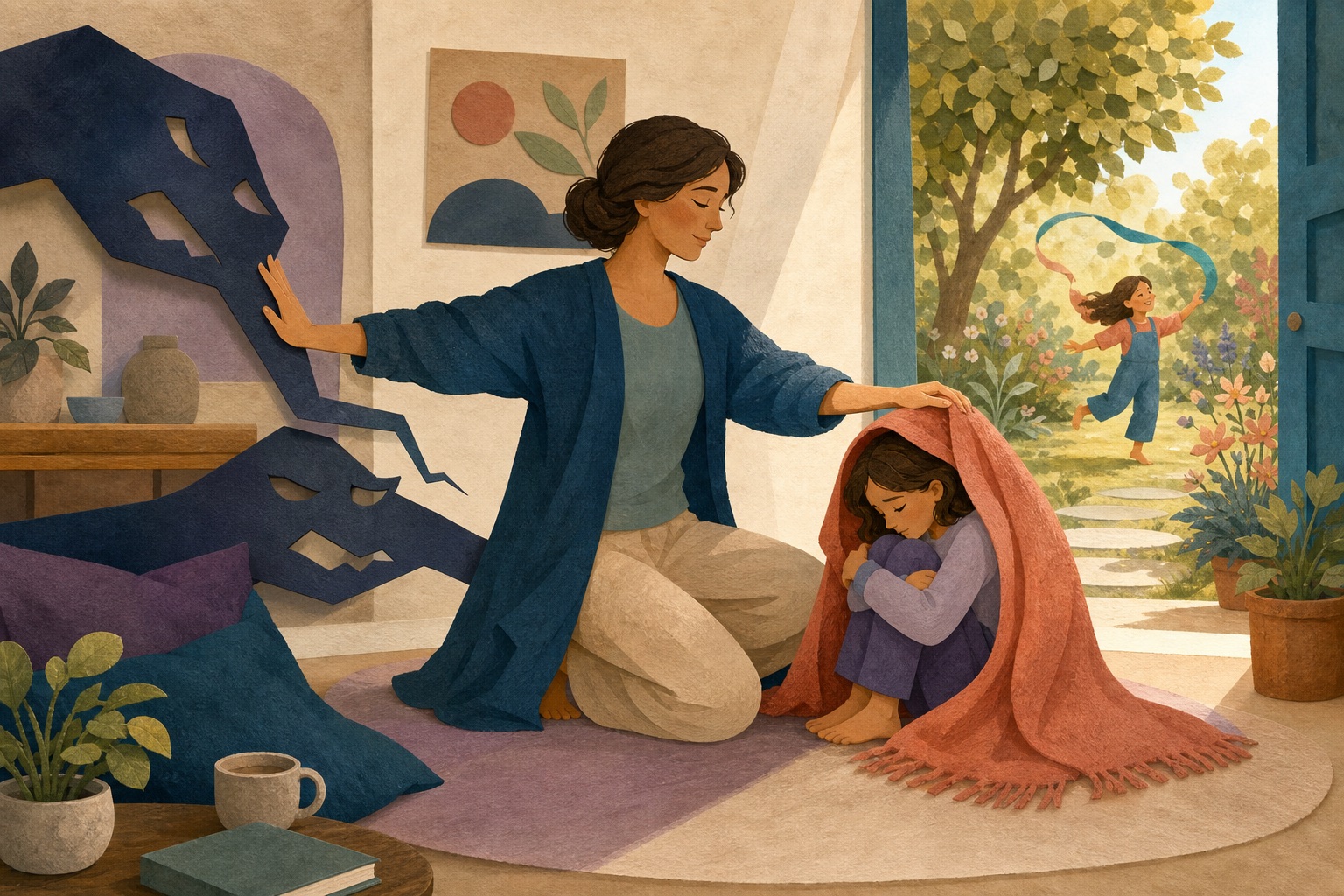
Three visual families
See how the different parts organise around need and protection.

Open one part at a time
Which state would you like to understand?
Choose a card to see its signals, protective purpose, underlying need and a possible Healthy Adult response.
01Child states
Vulnerable Child
Small, frightened, lonely, ashamed, helpless or deeply sad.
- What it may be trying to do
- This state carries pain and unmet attachment needs. It is not weakness; it is the part that lets you know something hurts.
- What may be needed
- Safety, warmth, protection, validation, dependable connection and permission to have needs.
- A Healthy Adult response
- Slow down. Name the feeling without arguing with it, orient to present safety and offer one believable message of care.
“A reply has not arrived. A young, scared part of me expects abandonment. I can notice that fear and contact someone safe instead of attacking myself.”
A small practice
Notice → name → need → respond
Use this with a present-day, manageable situation. You do not need to revisit trauma memories or force access to any part.
- 01Notice the shift.
What changed in your body, feeling, urge or inner language?
- 02Name it tentatively.
“A vulnerable / protective / demanding part may be active.”
- 03Find the need.
Safety, connection, autonomy, rest, play, a boundary—or something else?
- 04Respond as a whole.
What is one compassionate, reality-based action that protects you and respects others?
Model and boundaries
A learning guide—not a personal formulation.
A personalised mode map is developed collaboratively and may use different names, fewer modes or more specific patterns. Bring anything useful here into therapy rather than trying to fit yourself into every category.